Conversions
The arch is decided
before it is milled.
These are the four things a doctor sends Tina. Each one is built on your components and your records, and each one comes back ready for the day it is needed.
Tina works for dentists on full-arch implant cases. Patients are treated in your office — nothing here is a patient service.
Bench notes
What a conversion
actually involves.
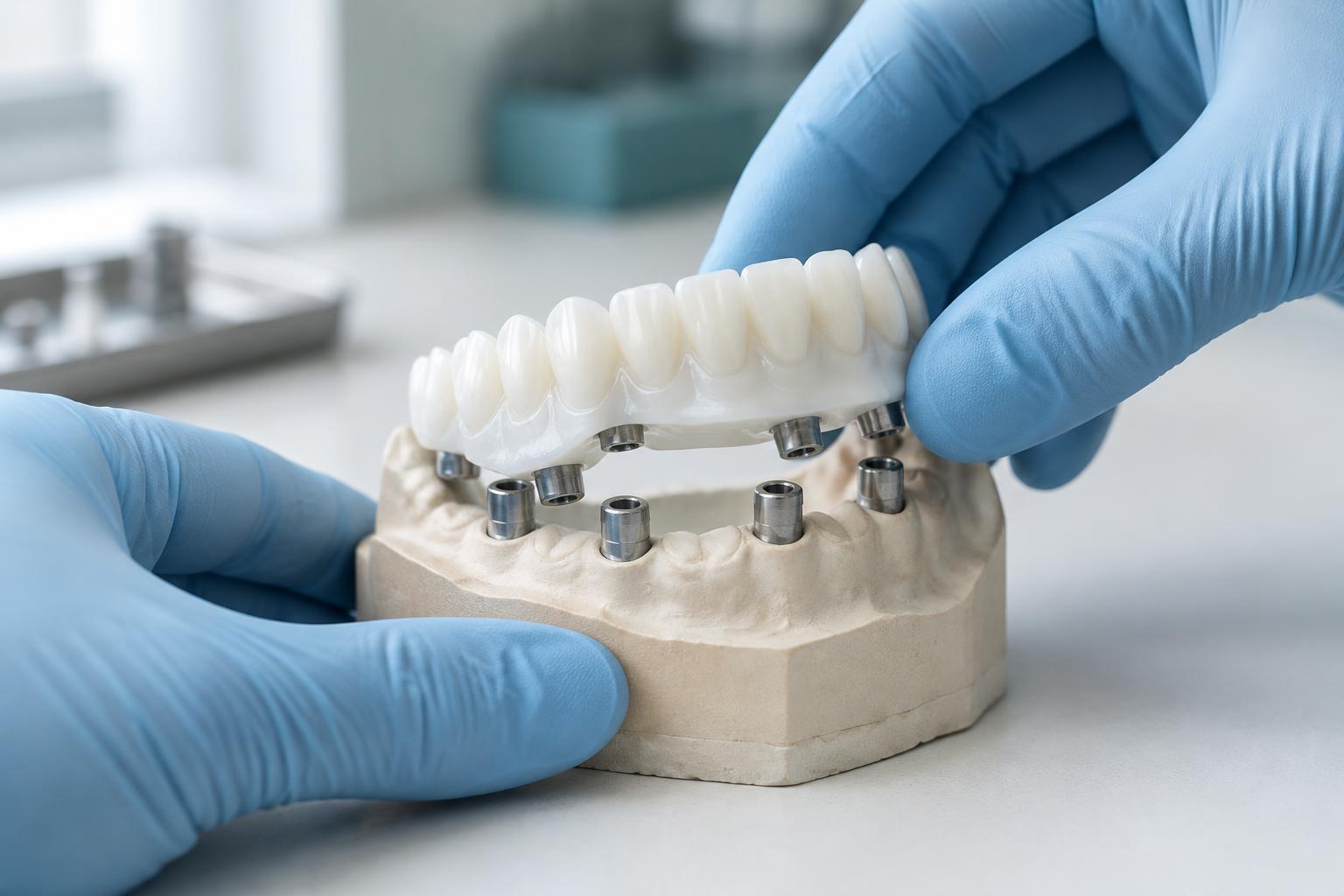
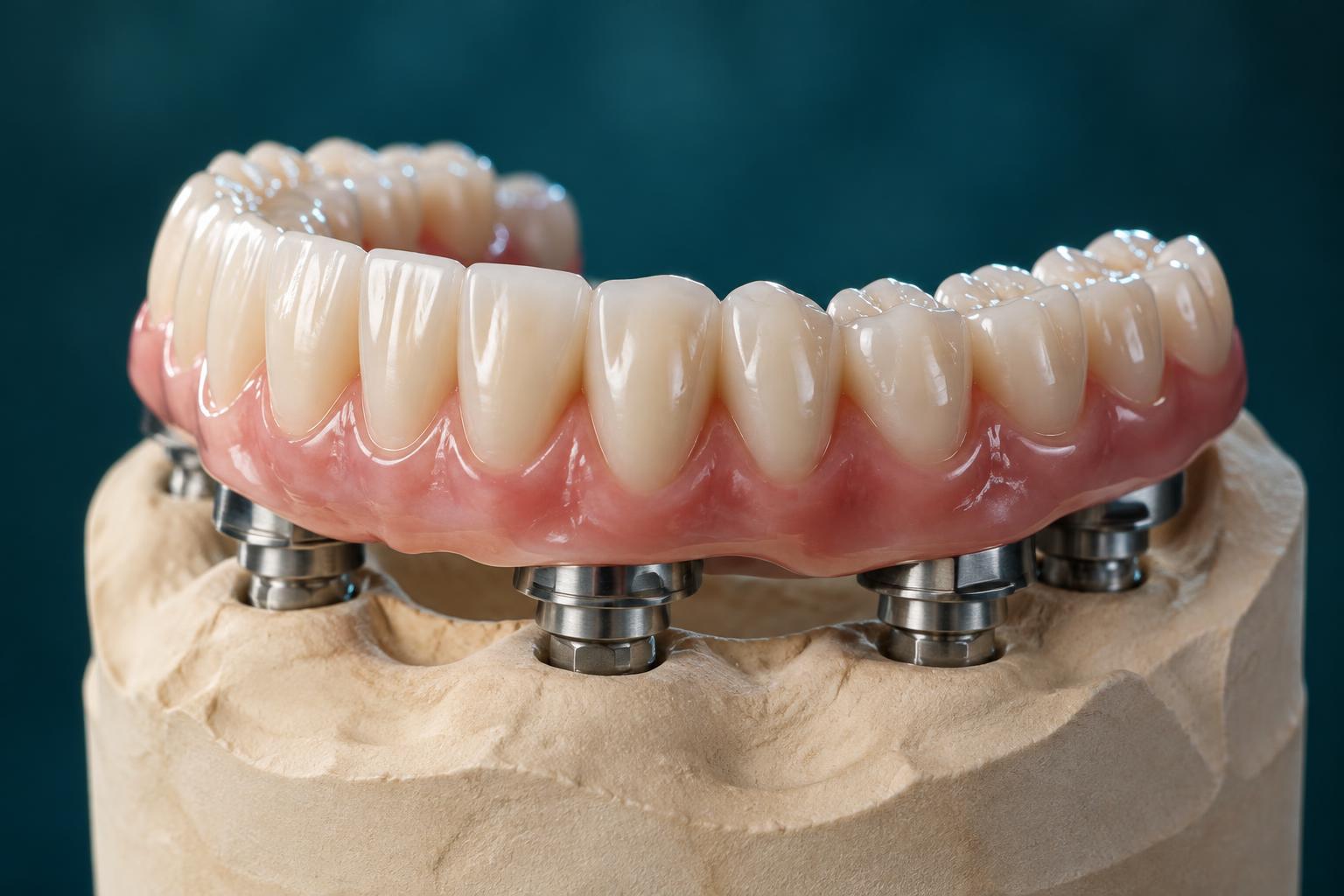
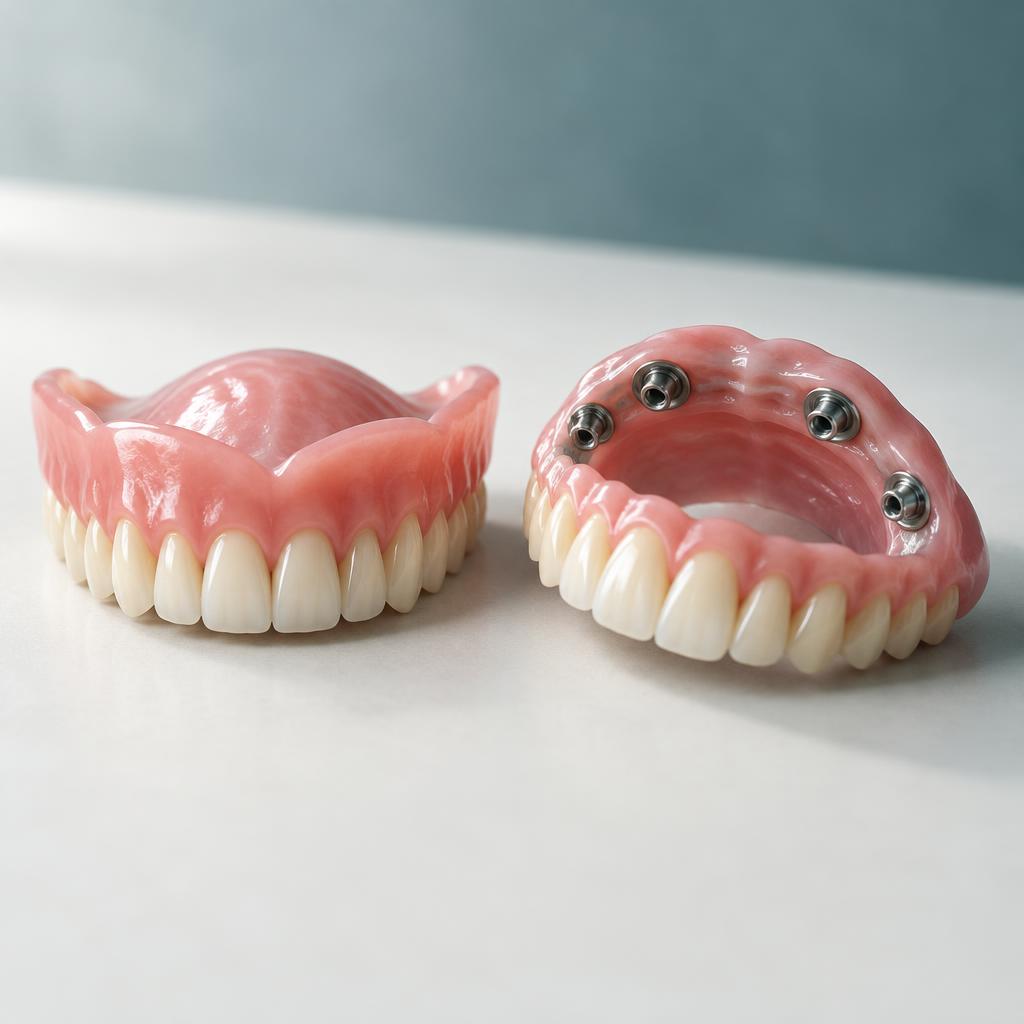
A full-arch conversion is not a denture with holes in it. The provisional has to sit on the multi-unit abutments at the positions the surgeon placed, hold the vertical dimension the patient was planned for, and look like something the patient will accept while the implants integrate.
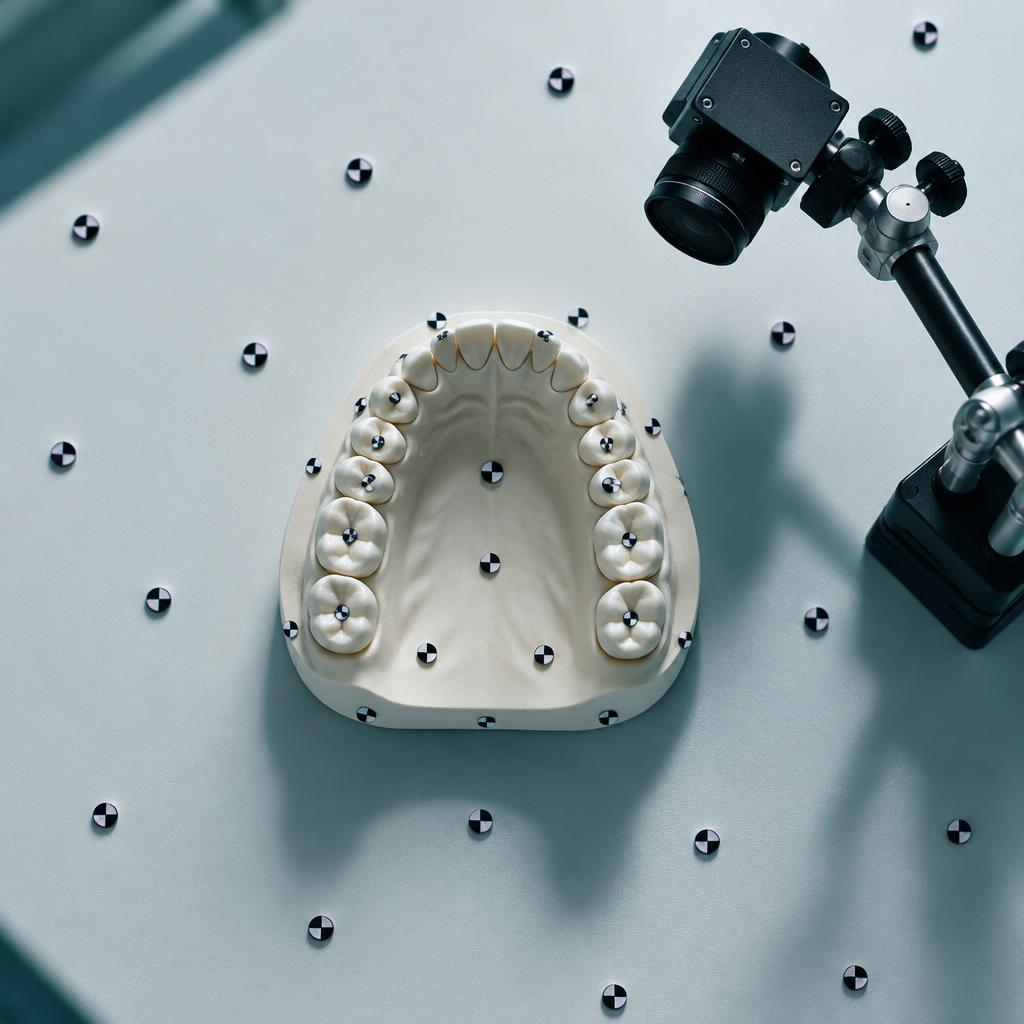
That means the records have to agree with each other. When the scan, the CBCT and the photogrammetry disagree about where an implant is, the arch built on them will not seat — and the surgeon finds that out with the patient in the chair. Reading those three against each other first is the part that saves the day.
After that it is bench work: the frame, the teeth, the access holes, the occlusion, the polish. There is no shortcut that produces an arch which seats and holds.
The next case
Have one in the chair?
Send the records and the date. If the case is tight, call — a full-arch day does not wait for a form to be read.
Or call or text (941) 250-2098